
ARTICLE
Silent Threats
Hidden drowning hazards for children hazards
for children around the home
Unlike in movies, drowning rarely involves loud cries or dramatic thrashing; it is often silent, swift, and unnoticed until it is too late.
Water is often seen as a source of joy for children — splashing in the bath, playing in the pool, or helping water the garden.
Yet, within the home environment, water can also be a silent and deadly hazard. Drowning is one of the leading causes of accidental death among young children worldwide, and what makes it particularly alarming is how quickly and quietly it can happen.
Unlike in movies, drowning rarely involves loud cries or dramatic thrashing; it is often silent, swift, and unnoticed until it is too late.
We bring you this article with the hope that it is a reminder of how families can take practical steps to prevent tragedy.
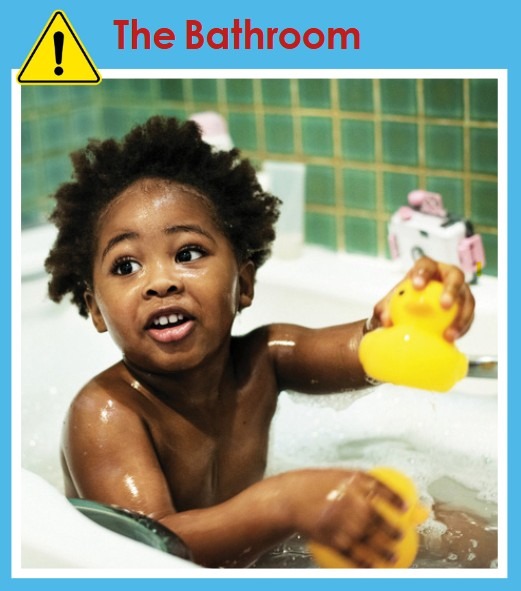
The bathroom is deceptively dangerous. Bathtubs, sinks, and even toilets can pose drowning risks for toddlers. A child can drown in just a few inches of water, meaning that even a small bucket left filled after cleaning can be hazardous.
High-risk areas
– Bathtubs left filled or partially filled.
– Toilets without childproof lids.
– Buckets or basins used for cleaning or laundry.
Safety measures
– Never leave a child unattended in the bath, even for a moment.
– Baby seats and rings in the bath are very dangerous if not 100% monitored as the child can slip through them.
– Empty buckets and basins immediately after use.
– Install toilet locks to prevent toddlers from accessing water. A small child can easily drown in a toilet or a long-drop.
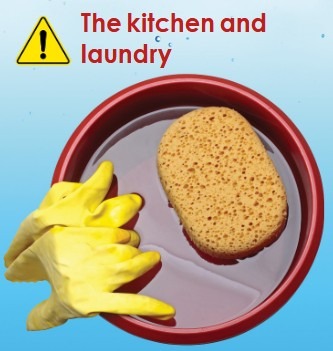
Kitchens and laundry rooms often contain containers of water — sinks, mop buckets, and washing machines. Curious toddlers may lean into these spaces and lose balance. Front-loading washing machines, in particular, can be dangerous if left open with water inside.
Safety measures
– Keep mop buckets and basins empty and stored upside down.
– Close washing machine doors when not in use.
– Supervise children closely when cleaning or cooking with water.
A small child can drown in 4 cms of water. Their heads are proportionally heavier than their bodies, making it easier for them to topple into water.
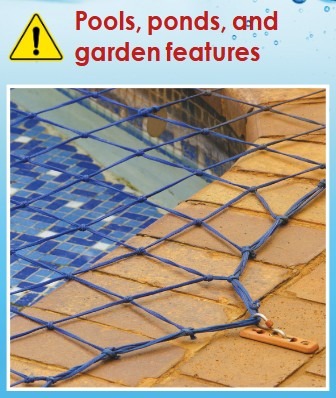
Outdoor water features are among the most obvious drowning hazards. Pools, ponds, fountains, and even rainwater barrels can be deadly if left unsecured. Children are naturally drawn to water, and without barriers, accidents can occur in seconds.
High-risk areas
– Backyard swimming pools.
– Fish ponds or decorative fountains.
– Rainwater tanks or barrels.
Safety measures
– Install fencing around pools with self-locking gates.
– Cover ponds and fountains when children are unsupervised.
– Secure rainwater tanks with childproof lids.
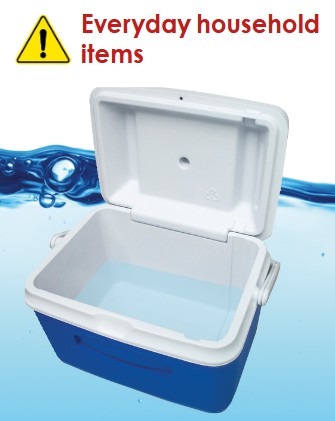
Surprisingly, even small household items can become drowning hazards. Large mixing bowls, coolers filled with melted ice, or pet water bowls can all pose risks to toddlers who topple in headfirst.
High-risk areas
– Pet water dishes.
– Large flowerpots or planters that collect rainwater.
– Ice chests left outside after parties.
– Fish tanks or bowls.
Safety measures
– Empty containers immediately after use.
– Store pet water bowls out of reach when toddlers are playing unsupervised.
– Check outdoor areas for water accumulation after rain.
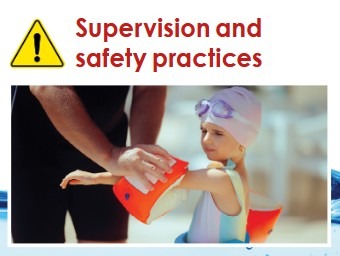
No safety device can replace the watchful eye of an adult. However, combining supervision with preventive measures creates a safer environment.
Safety measures
– Always supervise children around water, even if they “know how to swim.”
– Designate a “water watcher” during gatherings —an adult responsible for monitoring children.
– Teach children basic water safety skills early, and enrol them for swimming lessons as soon as you can.
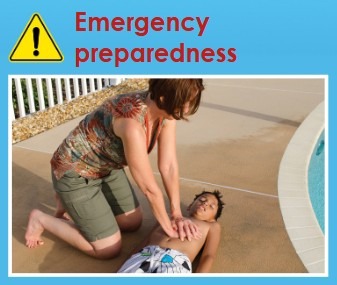
Despite precautions, accidents can happen. Being prepared can save lives.
Safety measures
– Learn CPR and basic first aid.
– Keep emergency numbers accessible.
– Install alarms or sensors for pools and large water containers.