
ARTICLE
Raising humans in an AI world
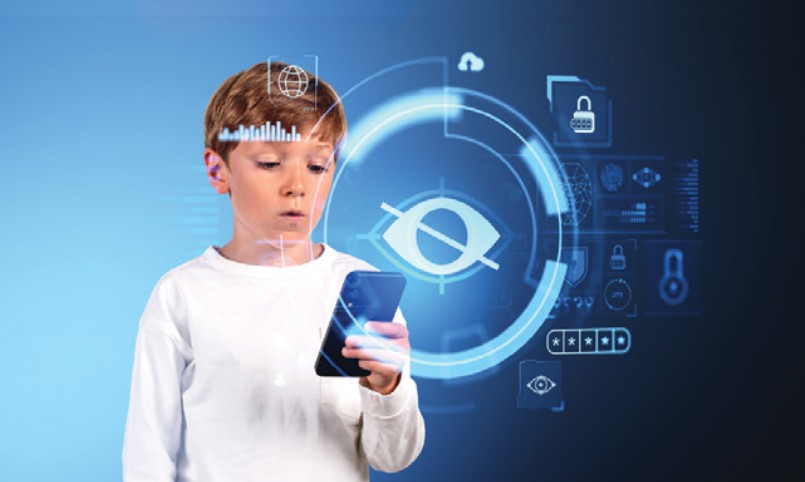
If parenting used to feel like herding cats, welcome to the upgrade.
Now you’re herding caffeinated cats while an invisible algorithm whispers in their ears and suggests alternative life choices based on what they clicked at breakfast.
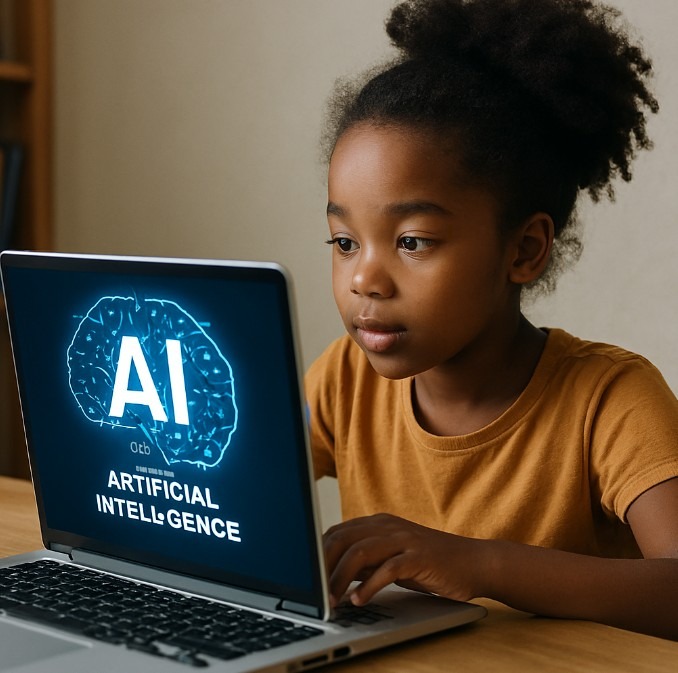
The modern parent isn’t just raising children, they’re raising humans in a world quietly shaped, curated and nudged by artificial intelligence. And if you’re feeling slightly outgunned, well frankly, you should. The machines aren’t coming…
They’ve already moved in, taken your Wi-Fi password and started influencing your offspring one suggested video reel at a time.
But before we move on, I’d like to add that AI isn’t the proverbial villain, lurking behind the curtains, stroking a digital moustache. It’s a tool, albeit a powerful one. And as the old adage goes: With great power comes great responsibility. Something that, sadly, most adults, let alone children, have
yet to develop.
Your job isn’t to wage war against AI. Your job is far harder; you’re meant to raise humans who don’t crumble just because a machine has opinions. And trust me, machines do have opinions.
This article isn’t meant to scare you senseless or convince you to throw every device with a Wi-Fi signal away. What I am here to do is walk you through what identity looks like in a world that’s part-human, part-machine.
THE IDENTITY HIJACK
Humans have always been prone to influence. Be it by culture, parents, peers,
religion, or strange fashion choices. It used to be that “It takes a village to raise a child.”, but kids today aren’t formed by a village. They’re formed by a personalised algorithm that knows them better than their own grandparents do. AI doesn’t just influence their decisions. It literally predicts them, nudges them, and, when left unchecked, it systematically shapes them. The question for parents is; How do you help your kids build an identity that isn’t leased from the influence of the algorithm?
THE DIGITAL MIRROR CRISIS
Identity used to grow from personal experience. You would try things, failed at things, embarrassed yourself publicly, learn, grow, and develop. These days kids don’t learn through experience. They learn through comparison, mostly against filtered images of people who don’t actually exist. Contrary to popular opinion, AI filters don’t enhance reality… they replace it. Children used to ask, “Who am I?” Now they ask, “Who am I compared to that?” This is where your role kicks in. It involves anchoring your child’s identity to something sturdier
than a temporary digital applause.
THE FOUR ANCHORS OF HUMAN IDENTITY
AI directly influences behaviour. But it is only dangerous when there’s no internal identity structure. Identity is something that is built, slowly, not instantly downloaded. So, if you want your children to stay human in a machine-shaped world, you need to help them develop four crucial anchors.
1. SELF-INQUIRY
(The ability to question themselves)
Children must learn to ask: “Do I want this because it matters to me, or because it was suggested to me?” When kids practice self-inquiry, they stop being puppets of digital suggestion and start becoming authors of their own thinking.
2. CRITICAL FILTERS
(The ability to question information)
AI will throw endless content at them, all of it designed to keep them scrolling. Your mission: teach them to interrogate content the way you interrogate suspiciously quiet toddlers. “Who said this?” “Why?”
3. REAL LIFE SKILLS
(The antidote to digital identity)
Children build real identity through real-world competence. Not digital badges, not virtual achievements. Identity grows from the gritty, unfiltered effort of doing things, and physically experiencing the effort it takes to do so. Sports, arts, music, reading, building something. Anything grounded in reality helps them become someone rather than perform as someone.
4. HUMAN BONDS
(The one thing AI can’t replace)
AI can simulate interest, kindness and conversation. One thing it can’t do is provide connection. If your child’s self-worth hinges on likes, comments, followers or AI companions, then you’ve got a problem. If it hinges on relationships with real people, they’re safe. Your role isn’t to outsmart the machines. It’s to make sure the machines aren’t the most meaningful relationship in your child’s life.
Teach them to curate their own feeds, delete apps that drain them, use AI as a tool rather than a babysitter, create more than they consume and choose intentionally.
Raising humans in an AI world isn’t harder, it’s just different. And if parents do it well, the future generation won’t be outsmarted by machines, they’ll surpass them.