
ARTICLE
Lunch Prep Made Easy
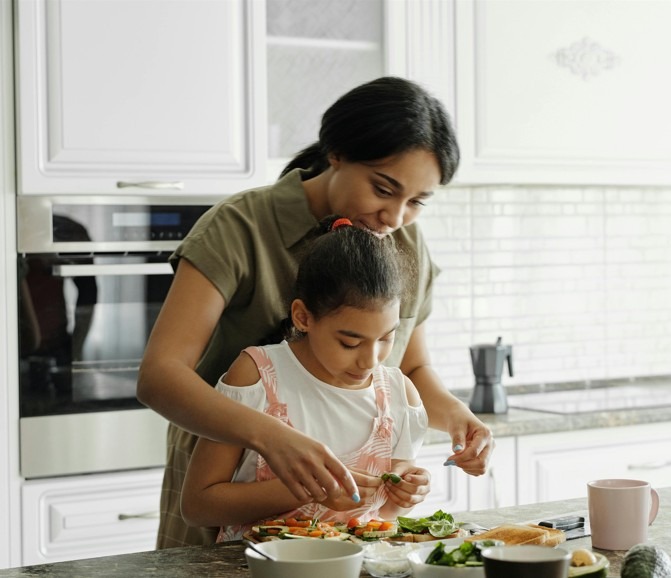
Why letting your kids make their own lunches is the
smartest parenting move you’ll make.
Every weekday morning, millions of parents stumble into kitchens half-awake,
spreading peanut butter, slicing fruit, and frantically searching for lunchboxes. It’s a universal dance of love — but also one that leaves moms everywhere wondering if there’s an easier way. What if there was a parenting hack that could save you time, build your child’s confidence, and even make them eat better?
It turns out, there is. It’s as simple as handing over the lunchbox.
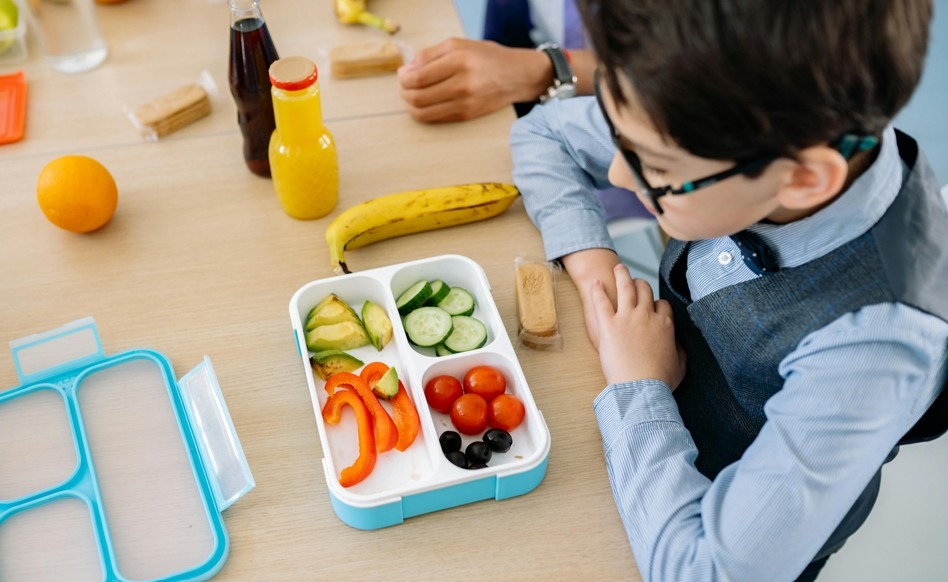
Encouraging your kids to make their own lunches isn’t just about freeing yourself from one more task — it’s about raising capable, confident, and mindful eaters. Here’s why it’s worth trying, and how to make it work for
your family.
It builds responsibility and independence.
Children thrive when they feel trusted with real responsibilities. Making their own lunch gives them a daily opportunity to take charge of something that directly affects them. It’s a tangible way for them to experience cause and effect — if they forget to pack something, they feel the consequence and learn from it.
From as young as five or six, kids can start helping by choosing snacks, washing fruit, or packing their lunchbox. By the time they reach upper primary school, they can plan and pack the whole thing themselves.
My tween is a fussy eater and has learned to peel his own cucumber and apple (since it’s almost the only fresh food I can get into his body), which saves me so much time in the mornings. When you step back, you’re not being lazy. You’re teaching life skills.
It’s the same principle as letting them tie their shoes or manage their pocket money. Over time, kids who are responsible for their own lunches become more organised and better at managing their time and choices in other areas too.
It fosters healthier eating habits.
Here’s a surprising truth: when kids have a say in what they eat, they’re more likely to actually eat it. Parents often pack what they think their kids should eat — the carrot sticks, the hummus, the cucumber sandwiches — only to see them return home untouched.
When children participate in choosing and preparing their food, they feel ownership over it. That sense of pride translates into more willingness to eat what’s in their lunch-box, even the healthy stuff.
Give them simple rules to guide their choices, like:
• One fruit
• One vegetable
• One protein
• One carb
• One treat
This structure helps them learn what a balanced meal looks like without turning it into a lecture. Over time, they’ll internalise what “healthy” means — and they’ll be far more likely to pack a good mix even when you’re not around to supervise.
It sparks creativity (and appreciation).
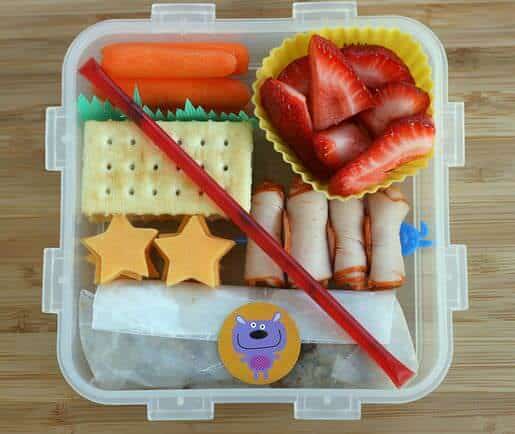
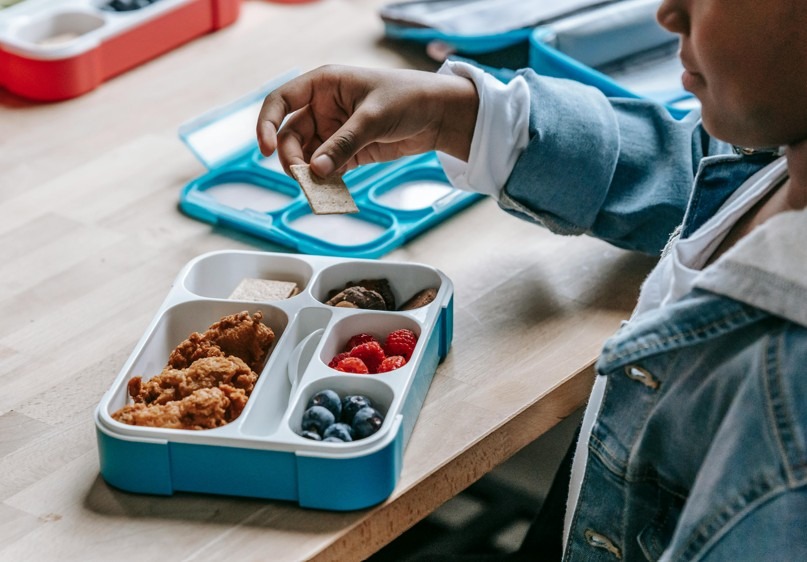
Kids love to experiment, and lunchboxes can be a surprisingly creative space. When they get to choose their own combinations — apple slices with peanut butter, crackers with cheese and cherry tomatoes, left-over pasta salad — they start to see food as something fun rather than a chore.
You might even be surprised by their choices. Some kids naturally lean toward colourful, varied foods when they’re not being told what to eat. Others might go through a “jam sandwich every day” phase—that’s okay too. Consistency is part of learning.
Best of all, when kids realise how much work goes into making food, they begin to appreciate the effort you’ve put in all these years. It saves you time and morning chaos Let’s be honest — mornings with kids can feel like a small hurricane.
Between getting everyone dressed, fed, and out the door, packing lunches is often the straw that breaks a mom’s patience. By teaching kids to handle their own lunches, you’re lightening your load — and teaching them to contribute to the household routine. You can still oversee things if needed, but your role shifts from “doer” to “coach.”